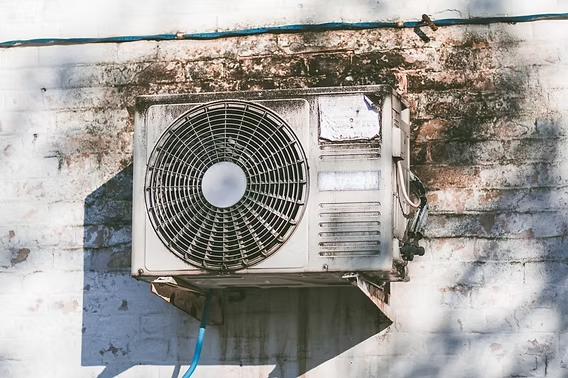
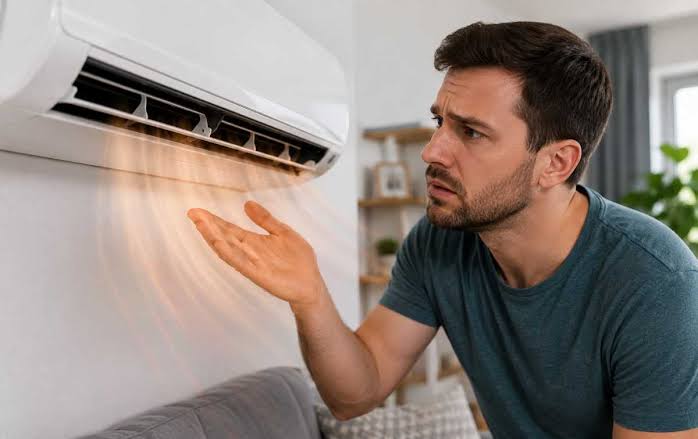
Is your AC blowing warm air on a hot day? Learn why your central air conditioner is blowing warm air suddenly and how to troubleshoot it DIY.
Why Is My Central Air Conditioner Blowing Warm Air Suddenly
It is the middle of a scorching summer afternoon, the sun is beating down, and you are relaxing indoors. Suddenly, you notice that the air coming out of your vents doesn’t feel crisp anymore. You walk over to a register, hold up your hand, and your worst fears are confirmed: the air is lukewarm, maybe even hot. Your house is rapidly turning into a sauna.
Look, I get it, appliance maintenance is boring but dealing with a central AC failure in the dead of summer is an absolute nightmare. When you are sweating through your shirt wondering why is my central air conditioner blowing warm air suddenly, the panic sets in fast. Your mind immediately jumps to the terrifying thought of paying thousands of dollars for a complete HVAC system replacement or dealing with predatory emergency weekend repair fees.
Here is the real talk: before you lose your cool and call a local HVAC company, you should know that this exact symptom is often caused by incredibly simple issues. Many times, the root cause is a flipped switch, a dirty filter, or an affordable electrical component that you can diagnose and handle yourself. At FixNest.xyz, we believe that homeowners and renters shouldn’t have to break the bank to keep their homes comfortable. Let’s walk through exactly why your cooling system took an unexpected vacation and how to get that refreshing, ice-cold air flowing back through your vents.

The AC Troubleshooting Matrix: Isolating the Heat
A central air conditioning system relies on a delicate balance of airflow, electrical power, and chemical refrigerant to remove heat from your home. If even one part of this loop breaks down, the indoor blower fan will keep running, but it will only circulate uncooled room air. Use this matrix to identify the most likely culprit behind your sudden layout breakdown.
| What You See or Hear | Probable Root Cause | Hidden Component | DIY Fix Potential |
| Thermostat screen is blank or set to “Heat”; indoor fan runs but outdoor unit is silent. | Power Interruption or Settings Error | Thermostat / Circuit Breaker / Safety Switch | Very High ($0 Fix) |
| Indoor vents blowing weak, lukewarm air; ice forming on the indoor copper pipes. | Restricted System Airflow | Clogged Air Filter / Suffocated Evaporator Coil | High ($15 Filter) |
| Outdoor fan is spinning, but the compressor is silent; inside vents blow warm air. | Electrical Start Failure | Dual Run Capacitor | Moderate ($20-$40 Part) |
| Both units run perfectly, but there is zero cooling; hissing sound near the lines. | Loss of Cooling Medium | Refrigerant Leak | Professional Only |
The Surprise Culprit: The Blown Dual Run Capacitor
Before we start cleaning things, I want to talk about a hidden electrical part that is responsible for a huge percentage of sudden AC failures. It is the dual run capacitor.
Your outdoor condenser unit contains two heavy-duty power hogs: the condenser fan motor and the main compressor pump. Just like your car needs a battery to crank the engine over, these heavy electric motors require a massive, instantaneous jolt of stored electrical energy to jump-start their rotation. This jolt is supplied by a small silver cylinder that looks like a soda can, located inside the outdoor service panel.
During extreme heatwaves, these capacitors work overtime and can overheat, causing their internal oil to boil and expand. When a capacitor fails, your outdoor fan might still spin slowly, but the compressor cannot start up. The compressor is what actually pumps the refrigerant to cool your home. Without it running, your system is essentially just running a massive, expensive house fan that blows nothing but uncooled air.
Step-by-Step Guide: How to Troubleshoot and Fix Your AC Safely
Let’s walk through the diagnostic proccess methodically to figure out why your system quit on you. Work through these steps in order before spending money on a professional technician.
Step 1: Check the Low-Hanging Fruit (Thermostat and Breakers)
Never underestimate how easy it is for a stray hand or a smart-home glitch to alter your climate settings.
- Inspect the Thermostat: Make sure the system selector switch didn’t accidentally get bumped into the “Heat” or “Fan On” mode. Ensure it is set to “Cool” and the target temperature is set at least five degrees below your current room temperature. If your display is blinking or completely blank, swap out the AA batteries inside the faceplate immediately.
- Check the Electrical Panel: Go to your home’s main breaker box and look for the large, double-pole breaker labeled “AC” or “HVAC”. Turn it completely to the “Off” position, then flip it firmly back to “On”. Next, walk outside and check the metal disconnect box mounted on the house wall next to your outdoor unit. Ensure the pull-out fuse block hasn’t loosened or tripped.
Step 2: Clear the Suffocated Airway (The Filter and Coil Check)
If your central air conditioner is blowing warm air suddenly after running continuously for hours, your system may have literally choked itself to death with dust.
- Locate your return air filter. This is either behind a large grate in your ceiling/wall or inside a slot right next to your indoor furnace or air handler cabinet.
- Pull the filter out. Can you see through it? If it is coated in a thick gray blanket of dust and pet hair, your system cannot pull enough air across the internal evaporator coils.
- This lack of airflow causes the temperature of the copper coils to drop below freezing, turning the ambient moisture into a massive block of solid ice. The ice completely blocks any further air exchange.
- The Fix: Toss the dirty filter and install a fresh one. If you notice ice on the copper lines, turn your thermostat from “Cool” to “Off”, and switch the fan setting from “Auto” to “On”. Let the fan run for 2 to 4 hours to completely melt the internal ice before trying the cooling mode again. Skipping this basic maintanence step is the absolute fastest way to kill a compressor.
Step 3: Inspect the Outdoor Condenser Units for Visual Clues
Walk outside to your condenser unit and listen closely while the thermostat is actively calling for cooling.
- If the outdoor unit is completely silent, or if you hear a recurring, deep buzzing noise every few minutes followed by a clicking sound, your compressor is trying to start but cannot pull enough electrical current.
- Look through the metal grates at the top of the silver run capacitor we discussed earlier. Is the top of the metal cylinder bulging upward like a pressurized can of soup? Are there signs of oily fluid leaking down the sides? If you spot a bulging top, your capacitor is officially dead and needs to be replaced. Swapping a capacitor requires unplugging the outdoor disconnect pull, discharging the old terminals with an insulated screwdriver, and matching up the wire leads to the “Herm”, “Fan”, and “C” markings on a new $25 replacement part.
Step 4: Clean the Outdoor Condenser Coils
If your outdoor unit is running fine but blowing warm air inside, check the exterior radiator fins. The outdoor unit’s job is to reject the heat pulled from your house into the outside air. If the metal fins are caked in mud, lawn clippings, or cottonwood seeds, the heat stays trapped inside the system, causing the compressor to overheat and trip its internal thermal overload safety switch.
- Shut off the power at the outdoor disconnect box.
- Grab your garden hose with a standard spray nozzle (never use a high-pressure pressure washer, as it will instantly bend the soft aluminum fins flat).
- Spray the water at a downward 45-degree angle to flush the dirt, grass, and debris out of the fins completely. Once clean, restore the power and give the system 15 minutes to stabilize.
Crucial Maintenance Habit: Protect Your Condensate Line
An overlooked safety layout on modern central air conditioners is the condensate drain line. As your AC pulls humidity out of your indoor air, that moisture condenses into water and flows down a white PVC drain pipe.
If this plastic line becomes clogged with algae or slime, the water backs up. To prevent a catastrophic ceiling flood, your system utilizes a small safety float switch installed inside the drain pan line. The moment water climbs too high, the switch trips, instantly cutting power to your outdoor cooling unit while keeping the indoor blower running.
To prevent this sudden shutdown, pour a half-cup of regular white vinegar down your indoor PVC drain access T-pipe every single month during the cooling season. The natural acid prevents algae blooms from growing inside the pipe, keeping your drainage flowing clear and your system running uninterrupted.
When Is It Time to Call a Licensed HVAC Technician?
At FixNest.xyz, we want to give you the confidence to tackle your own home troubleshooting whenever possible. However, if you have checked your breakers, installed a fresh air filter, confirmed that your outdoor fan and compressor are humming along smoothly, and you’re still getting lukewarm air out of your vents, you are likely facing a low refrigerant charge.
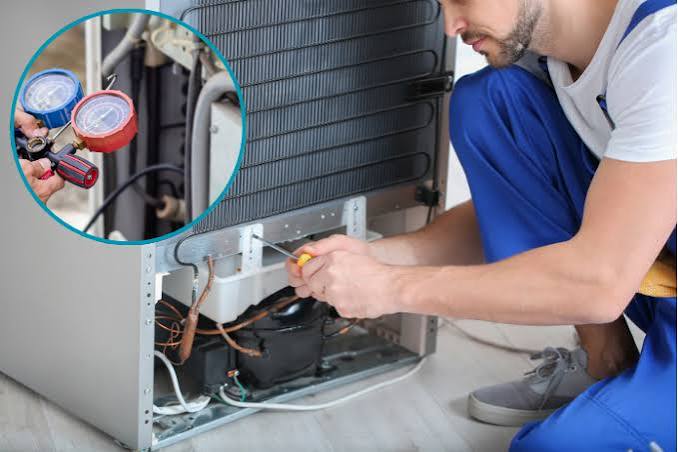
Central AC systems are closed loops; they should never lose refrigerant unless there is a physical crack or pinhole leak somewhere in the copper lines. Testing, handling, and recharging refrigerants requires EPA certification, specialized pressure gauges, and expensive electronic leak detectors. If you suspect your low on Freon or have a leaking coil, it is time to shut down the system to prevent compressor damage and bring in a professional technician.
Master Your Home’s Climate
Learning why is my central air conditioner blowing warm air suddenly gives you an incredible advantage as a homeowner. By knowing how to check your breakers, monitor your system’s airflow, and read the condition of your outdoor unit, you prevent yourself from getting scammed by dishonest repair companies who might try to charge you thousands for an entirely new system when all you needed was a simple cleaning or a quick reset.
If this step-by-step technical guide helped you clear out your system blockages and get your home back down to a comfortable temperature today, don’t stop there! Be sure to bookmark FixNest.xyz so you always have an expert-led roadmap ready whenever your refrigerator starts clicking, your dishwasher leaks water from the door, or your washing machine stops spinning.
Did you run into a tricky issue while trying to trace your electrical disconnect box layout, or do you see an unusual ice pattern forming on your indoor lines? Drop a comment below! I review our community message boards regularly to help readers navigate their complicated appliance fixes. And don’t forget to subscribe to our newsletter for simple, monthly appliance care checklists and money-saving DIY advice delivered straight to your inbox. Let’s conquer your household repairs together, one project at a time!