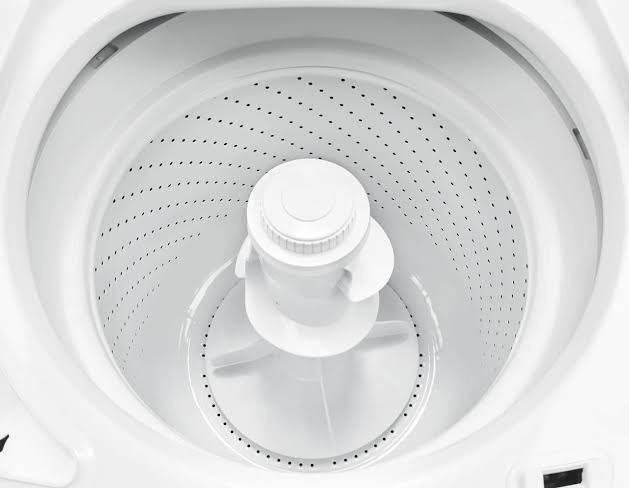
Is your top load washing machine leaving clothes soaking wet? Read our expert troubleshooting guide to find the problem and fix it fast.
Why Is My Top Load Washing Machine Not Spinning Clothes Dry
You hear the laundry cycle finish, open the lid to transfer your favorite jeans to the dryer, and your heart sinks. Instead of damp, ready-to-dry fabrics, your clothes are sitting in a heavy, soggy puddle at the bottom of the tub. You can practically feel the upcoming lower back pain from trying to wring out heavy towels by hand.
Look, I get it, appliance maintenance is boring but dealing with laundry that is dripping wet completely disrupts your household routine. When you find yourself asking, “why is my top load washing machine not spinning clothes dry,” it is incredibly tempting to give up and call an emergency repair technician.
Here is the real talk: before you hand over your hard-earned cash for a costly home service call, you should know that this is one of the most common laundry problems out there. More importantly, it is usually caused by simple mechanical imbalances or easily swappable parts. At FixNest.xyz, we believe in giving you the practical, step-by-step guidance you need to tackle these breakdowns safely. Let’s figure out exactly what is slowing down your spin cycle and how to get your clothes spinning bone-dry once again.
The Troubleshooting Matrix: Pinpointing the Spin Failure
A top-load washer requires incredible speed during its final spin to throw water out of the fabrics through centrifugal force. If the tub spins too slowly—or fails to turn at all while the motor hums—a specific part is slipping or failing. Use this troubleshooting guide to isolate the issue based on your washer’s behavior.
| What You See or Hear | Likely Root Cause | Hardware Involved | DIY Difficulty |
| The machine drains fully, but the inner basket never moves or spins. | The washer thinks the lid is wide open. | Lid Switch Assembly | Very Easy |
| The tub shakes violently, thumps loudly, and stops mid-cycle. | The laundry weight is uneven or the suspension springs are shot. | Load Balance / Suspension Rods | Easy to Moderate |
| The motor hums loudly, water drains out, but there is zero spin action. | The connection between the motor and transmission has snapped. | Drive Belt or Motor Coupler | Moderate |
| Water stays trapped inside the tub at the end of the cycle. | A clogged pump cannot clear the water, triggering a safety spin lockout. | Drain Pump Filter / Impeller | Easy |
The Silent Lockout: The Lid Switch Safety System
Before we look under the hood of the machine, let’s discuss the number one electrical reason your top load washing machine not spinning clothes dry. It is the humble lid switch assembly.
Washing machines are built with built-in safety mechanisms to ensure nobody accidentally sticks their hand into a spinning metal basket moving at 800 RPM. When you shut your washer lid, a small plastic tab pushes down on a hidden microswitch under the main housing. This completes an electrical circuit, signaling the main control board that it is perfectly safe to start the high-speed spin.
Over time, the plastic arm on this switch can snap, or the internal copper contacts can burn out from normal wear and tear. When this happens, your machine will fill up with water and agitate your clothes perfectly (because agitation poses less physical danger), but it will sit completely dead and silent during the spin cycle. Your clothes end up soaking wet because the machine literally thinks the lid is wide open.
Detailed Step-by-Step DIY Repair Guide
Let’s go through the technical troubleshooting proccess to find out exactly why your clothes are coming out soggy. Grab a standard toolkit, clear some space around your machine, and let’s get to work.
Step 1: Eliminate the Off-Balance Load (The “Thumping” Fix)
If you notice that your washer spins fine for normal clothes but leaves heavy items like comforters, pillows, or thick bath mats soaking wet, your dealing with a simple physical imbalance. Modern washers have sensors that detect when the inner tub is leaning too far to one side. To prevent the machine from tearing itself apart, it will automatically cut down the maximum spin speed.
- The Fix: Open the lid, manually redistribute the heavy items evenly around the central agitator, and manually select a “Spin Only” cycle.
- Pro Tip: If your machine shakes violently during every single load regardless of size, your internal suspension rods have likely lost their dampening grease. Replacing these four spring rods is a simple, cost-effective project that will make your washer feel brand new.
Step 2: Test the Lid Switch Continuity
If the washer drains completely but refuses to spin at all, we need to test the safety switch we discussed earlier.
- Unplug the washing machine from the wall outlet. Never touch internal electrical wiring while the unit is connected to live power.
- Open the washer lid and locate the plastic pin. Ensure it isn’t broken off.
- Use your screwdriver to lift the top console layout or main lid top (depending on your specific brand like Whirlpool, Maytag, or Kenmore).
- Unplug the wire harness going to the lid switch.
- Set your digital multimeter to the Continuity or Ohms ($\Omega$) setting. Place your testing probes into the terminals of the switch connector.
- Manually press the switch lever. If your multimeter beeps or drops to zero Ohms, the switch is working. If it shows “OL” (Open Line) when pressed, the internal switch is dead. Swap it out for a new one to solve your spin lockout.
Step 3: Inspect the Drain Pump for Obstrucions
Your washer will never attempt a high-speed spin if the tub is still holding a significant volume of water. If your drain pump is failing or blocked by debris, the water will drain out incredibly slowly, leaving your clothes waterlogged when the timer hits zero.
- Tilt the washing machine backward safely (or remove the front panel depending on your model) to access the bottom drain lines.
- Place a shallow pan or old towels under the main drain pump housing.
- Disconnect the rubber hoses attached to the pump.
- Look inside the pump ports with a flashlight. It is common to find coins, stray bobby pins, socks, or keys wedged inside the pump impeller blades. Clear out any blockages and verify the plastic blades spin freely.
Step 4: Examine the Drive Belt or Motor Coupler
If you can hear the electric motor running smoothly underneath the machine during the spin cycle, but the inner metal tub remains completely motionless, the mechanical link connecting the motor to the transmission transmission has failed.
Depending on the design of your top-load washer, you will have one of two systems:
- Belt-Driven Models: Look underneath the tub for a rubber belt connecting the motor pulley to the transmission pulley. If the belt is stretched out, cracked, or has slipped off completely, the motor cannot turn the basket. Replacing a worn belt takes less than ten minutes.
- Direct Drive Models: If your washer does not have a belt, it utilizes a direct drive coupler. This is a heavy-duty rubber and plastic star-shaped piece that sits directly between the motor shaft and the gearcase.
As shown in the technical assembly diagram above, the drive coupling bridges the physical gap between your motor and the gearcase. If your laundry loads are consistently too heavy, or if an item gets jammed in the basket, the plastic fingers on this coupler are designed to shear off intentionally. This breaks the physical link to protect your main motor from burning out under the strain. If you tip the machine back and see small black rubber shavings or broken white plastic pieces on the floor underneath, your coupler has done its job and needs to be replaced.
Essential Pro Tips for Washer Maintanence
To prevent your washing machine from leaving your clothes soaking wet in the future, follow these expert-led habits:
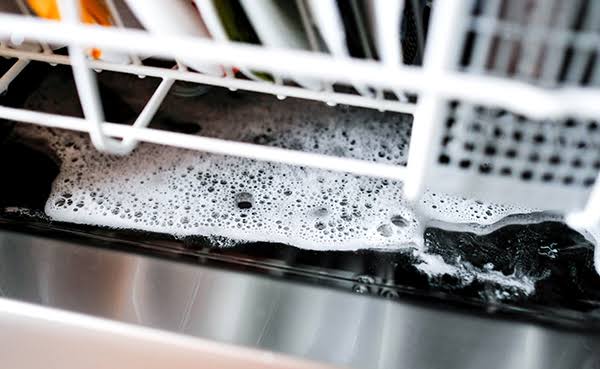
- Stop Using Excessive Detergent: Adding too much laundry soap creates a massive blanket of oversuds inside the tub. This foam creates intense resistance against the spinning outer tub wall, slowing down the final spin speed and leaving clothes soggy. Always stick to the recommended line on your detergent cap.
- Level the Appliance: Use a bubble level across the top frame of your washer. Adjust the screw-down legs at the front corners until the bubble sits perfectly centered. A perfectly level machine experiences significantly fewer off-balance errors and runs quieter.
When Is It Time to Call a Professional Repair Service?
At FixNest.xyz, we take pride in helping you save money by tackling your own appliance repairs. However, if you have checked the lid switch, cleared the drain lines, replaced a worn drive belt, and the washer tub still won’t budge during a spin cycle, the issue could be a failed transmission gearcase or a worn-out outer tub bearing. Replacing an internal gearcase requires specialized heavy gear and full disassembly of the inner mechanical core. If you reach this stage, it’s wise to request a quote from a local certified professional to determine if a repair makes financial sense compared to buying a new machine.
Your Home for Practical Household Solutions
Learning how to diagnose and repair your own laundry appliances is a major win. Not only do you save a massive amount of money on diagnostic and labor fees, but you also gain total peace of mind knowing how your home actually functions.
If this troubleshooting guide helped you clear out that puddle of water and get your top load washing machine spinning clothes dry today, don’t lose your momentum! Be sure to bookmark FixNest.xyz so you have an expert technical resource ready whenever your refrigerator clicks, your dishwasher leaks, or your oven shows an error code.
Did you hit an unexpected snag while removing your motor assembly, or are you unsure which belt replacement part number you need? Leave a comment below! We read and respond to reader questions to help you cross the finish line. And don’t forget to subscribe to our newsletter for simple, monthly appliance maintenance reminders delivered straight to your inbox. Let’s conquer your household fixes together!