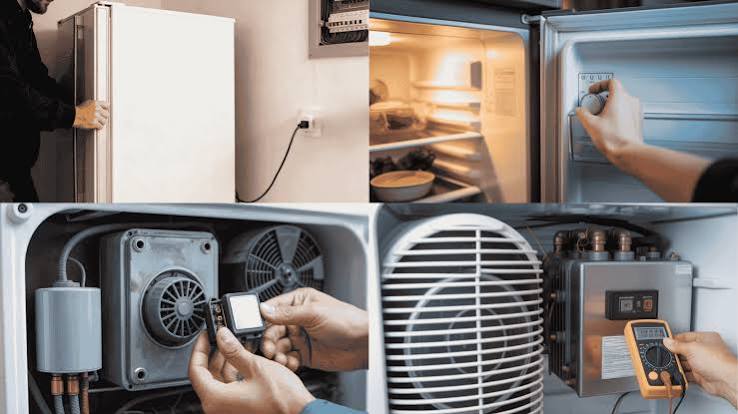
Is your fridge dying? Learn the unmistakable signs your refrigerator compressor is about to fail completely and save thousands on repairs.
5 Warning Signs Your Refrigerator Compressor Is About to Fail Completely
Look, I get it. Nobody wakes up on a Saturday morning excited to audit their kitchen appliances. Appliance maintanence is boring, and thinking about your fridge breaking down is stressful. But here is the real talk: your refrigerator is the undisputed MVP of your kitchen. It runs 24/7, 365 days a year, and at the absolute heart of that relentless machine is the compressor.
Think of the compressor as the heart of your fridge. It pumps the refrigerant through the coils, keeping your milk cold, your ice frozen, and your leftovers safe. When the compressor dies, the whole fridge dies with it. And replacing a compressor is often so expensive that you might as well buy a whole new appliance.
Fortunately, compressors rarely kick the bucket without a fight. They will drop hints—sometimes very loud ones—before they quit for good. As a senior appliance technician, I’ve seen thousands of homeowners throw away perfectly salvageable fridges because they ignored the warning signs until it was too late.
Today, we are going to change that. Here are the undeniable signs your refrigerator compressor is about to fail completely, how to troubleshoot the issue like a pro, and how FixNest.xyz can help you save a massive chunk of change in the process.

The Warning Signs: How to Catch a Failing Compressor
If you notice any of the following symptoms, your fridge is trying to tell you that it’s on its last legs. Pay close attention before your groceries spoil.
1. The Dreaded “Click-and-Buzz” Cycle
Normally, your fridge hums quietly in the background. But if you start hearing a distinct click, followed by a brief, strained buzz, and then another click a few seconds later, you have a problem.
This usually means the compressor is trying to start but is drawing too much electrical current and tripping the overload protector. It could be a dead start relay (a cheap, easy fix), or it could mean the compressor’s internal pistons are seizing up. If it’s the latter, the compressor is about to fail completely.
2. Excessive, Non-Stop Running
Is your refrigerator constantly humming? Does it feel like it never takes a break? A healthy compressor runs in cycles—it turns on to lower the temperature, then shuts off once the target coolness is reached.
If it’s running 24/7, it means your fridge is struggling to maintain its temperature. This could be due to a loss of refrigerant, bad door seals, or an overworked compressor that can no longer pump efficiently. Continuous operation accelerates wear and tear, pushing an already failing compressor straight to the graveyard.
3. Food is Spoiling and the Fridge is Lukewarm
This is the most obvious sign. You open the door, and the milk feels a bit too warm, or the ice cream in the freezer has turned into soup. When the internal mechanical valves of a compressor wear down, it can no longer compress the refrigerant gas effectively. It might still run, but it’s just moving air without actually cooling anything.
4. Bizarre, Loud Noises
Every compressor makes a low hum, but it shouldn’t sound like a diesel truck idling in your kitchen. If you hear loud knocking, rattling, or a high-pitched screeching sound coming from the back of the appliance, the internal hardware of the compressor is physically breaking down.
5. Tripping Your Home’s Circuit Breaker
If your kitchen circuit breaker trips every single time your refrigerator kicks on, stop resetting the breaker blindly. This happens when the compressor’s internal electrical windings fail and short out against the metal housing. It is a severe electrical hazard and a definitive sign that your compressor is done for.
Is It the Compressor or Something Else? (Troubleshooting Matrix)
Before you panic and assume you need a $600 repair, let’s rule out the simple stuff. Sometimes, a dirty component or a cheap electrical part mimics the signs of a dead compressor. Use this troubleshooting matrix to diagnose the issue accurately.
| Symptom | Potential Root Cause | DIY Fix Difficulty | Estimated Cost |
| Loud buzzing, then clicking off | Defective Start Relay | Easy (Plug & Play) | $15 – $30 |
| Constant running, warm fridge | Dirty Condenser Coils | Very Easy (Cleaning) | $0 |
| Fridge warm, compressor silent | Broken Thermostat or Control Board | Medium | $50 – $120 |
| Circuit breaker tripping immediately | Shorted Compressor Motor | Hard (Professional Only) | $500+ |
| Knocking or metallic rattling | Failed Internal Compressor Valves | Hard (Professional Only) | $500+ |
How to Save Your Fridge: A Step-by-Step Maintenance Guide
If your compressor is still alive but struggling, there is a very good chance it’s just overheating because it hasn’t been maintained. At FixNest.xyz, our goal is to help your appliances live a long, healthy life without draining your wallet.
Follow this step-by-step guide once every six months to pull your compressor back from the brink and keep it running smoothly.
Step 1: Safety First
Before you touch anything, pull the refrigerator away from the wall and unplug it from the power outlet. Working on an appliance that is plugged in is a massive safety risk. If your fridge has a built-in water dispenser, turn off the water supply line too, just to be safe.
Step 2: Access the Back Panel
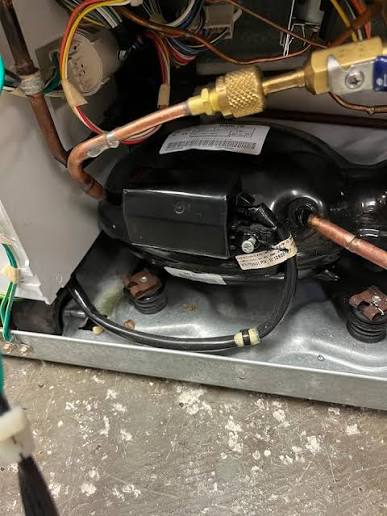
Locate the access panel at the bottom rear of your refrigerator. It is usually held in place by a few hex screws or Phillips-head screws. Remove the screws, set them aside carefully so you don’t lose them, and lift the panel off.
Step 3: Inspect and Clean the Condenser Coils
Look around. If you haven’t cleaned this area in a few years, it probably looks like a horror movie of dust bunnies and pet hair. When dust coats the condenser coils, the fridge cannot dissipate heat. This forces the compressor to work twice as hard, leading directly to the overheating symptoms we talked about earlier.
Using a vacuum cleaner with a brush attachment, gently suck up all the loose dust and dirt. For the tight spaces between the coils, use a specialized coil brush (you can get one online for less than ten dollars). Be careful not to bend any of the copper tubing.
Step 4: Check the Condenser Fan
Right next to the compressor, your see a small fan. This fan blows air across the coils to keep things cool. If the fan is caked in grime or blocked by a stray piece of trash, it won’t spin. Spin the fan blades with your hand; they should move completely freely. If they are stuck, the fan motor needs to be replaced. If it is just dirty, wipe it down with a damp cloth.
Step 5: Test the Start Relay (The $20 Savior)
If your fridge was doing the “click-and-buzz” routine, look at the side of the compressor. You will see a small plastic box plugged directly into the compressor’s metal pins. This is your start relay.
Unplug the start relay and give it a gentle shake near your ear. If it rattles like a box of broken glass, it is completely burnt out. Replacing this part takes less than five minutes and costs almost nothing, instantly fixing a fridge you might have thought was total garbage.
Step 6: Button It Up and Test
Once everything is clean and inspected, replace the rear access panel and secure the screws. Push the refrigerator back into place, leaving at least 2 to 3 inches of space between the fridge and the wall for proper airflow. Plug the unit back in. Listen carefully over the next few hours to see if the strange noises or constant running have subsided.
The Verdict: Repair or Replace?
Let’s be completely honest. If you have cleaned the coils, replaced the start relay, and verified that the fans are working, but your fridge is still warm and making awful mechanical noises, the compressor is failing completely.
Because replacing a compressor requires handling toxic refrigerant chemicals, it is legally not a DIY project. You must hire a certified HVAC professional. A new compressor plus labor generally runs anywhere from $500 to $900. If your refrigerator is more than eight years old, your best financial move is usually to buy a new, energy-efficient model.
However, by catching the early warnings and performing routine maintanence, you can easily prevent this premature failure from happening in the first place.
Don’t let unexpected appliance breakdowns ruin your budget. Bookmark FixNest.xyz right now so you always have an expert-led, money-saving guide ready for your next household fix. Want to stay ahead of the game? Subscribe to our monthly newsletter for quick, practical maintenance reminders that will extend the lifespan of your kitchen and laundry appliances. If you are currently dealing with a weird fridge noise and aren’t sure what to do next, leave a comment below—I read every single one and am happy to help you troubleshoot!