Stop wasting cash on utilities! Learn how dirty appliance filters increase your monthly energy bills and master the simple steps to clean them.
How Dirty Appliance Filters Increase Your Monthly Energy Bills
Look, I get it, appliance maintenance is boring but ignoring the tiny, hidden components inside your kitchen and laundry machines is costing you serious cash every single month. Here is the real talk: when you think about lowering your utility costs, you probably think about turning off the lights, unplugging phone chargers, or tweaking your thermostat. While those are fine habits, they completely overlook a massive, silent electricity drain sitting right inside your walls and under your countertops.
Almost every major machine in your home relies on a steady flow of air or water to perform its primary function. To protect the delicate internal motors, pumps, and heating elements from debris, manufacturers install filters. Over time, these screens inevitably become choked with lint, dust, hair, food waste, and mineral scale.
When a mesh screen gets blocked, the machine doesn’t just give up right away. Instead, it enters a state of high-stress compensation. It runs longer, draws significantly more electrical current, and works twice as hard just to deliver substandard results. As a senior appliance technician, I can tell you that a massive percentage of early mechanical breakdowns are triggered by nothing more than restricted flow. Let’s pull back the curtain on exactly how dirty appliance filters increase your monthly energy bills and walk through how you can fix this problem yourself in minutes.
The Physics of Resistance: Why Blocked Mesh Drains Your Wallet
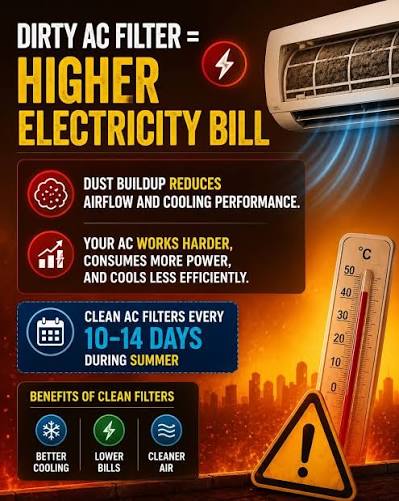
To understand how a simple layer of grime translates to a higher power bill, you have to think about fluid dynamics and airflow. Appliances are designed around precise volumetric flow rates. For instance, your clothes dryer expects a specific cubic feet per minute (CFM) of hot, moist air to escape through the exhaust line. Your dishwasher pump expects a specific gallons-per-minute (GPM) circulation rate to keep water spraying forcefully against your plates.
When a filter is blanketed in debris, it introduces severe mechanical resistance. If air or water cannot pass through freely, the internal system faces several efficiency-killing penalties:
- Extended Cycle Durations: A clothes dryer fighting a lint-choked screen cannot exhaust moisture efficiently. A load that should take 45 minutes stretching out to 90 minutes means the heating elements are drawing high wattage for double the time.
- Overheated Componentry: Electric motors rely heavily on the movement of air or water to dissipate their own internal operating heat. When restricted, the motor coils run incredibly hot, which increases electrical resistance and causes them to consume more power while wearing out prematurely.
- Sensory Confusion: Modern appliances are packed with smart sensors. A dirty filter can cause a machine’s control board to misread temperature or pressure levels, keeping heating elements turned on much longer than necessary.
By staying proactive and executing simple maintenance checks, you cut this mechanical resistance down to zero. FixNest.xyz is dedicated to proving that you don’t need to be an expert builder or spend hundreds on a repairman to keep your home hardware operating at peak energy efficiency.
The Filter Efficiency Matrix: Tracking the Energy Drain
Not every blocked screen impacts your electric meter in the exact same way. Some cause a slow, steady drain, while others cause your utility usage to spike dramatically. Use this diagnostic overview to understand which appliances suffer the most when their filtration systems are neglected.
| Appliance | The Filter Location | What It Traps | How It Multiplies Energy Cost | Recommended Cleaning |
| Clothes Dryer | Main door housing / Top console panel | Clothing lint, pet dander, dryer sheet residue | Restricts airflow, doubling heating element runtime per load | Clean after every single load; deep scrub monthly |
| Dishwasher | Floor of the interior tub, beneath spray arms | Food particles, grease film, calcium hard-water scale | Forces wash pump to labor; extends water heating times | Clean every 2 to 4 weeks |
| Over-the-Range Microwave / Hood | Underside mesh panels | Aerosolized cooking grease, smoke particles | Forces exhaust fan motor to draw excess current to pull air | Clean every 2 months |
| Refrigerator Ice/Water | Interior cabinet or lower base grille | Chlorine, heavy minerals, micro-sediments | Restricts water inlet valve, forcing solenoid to stay energized longer | Replace every 6 months |
Step-by-Step Guide: How to Service Your Filters Safely
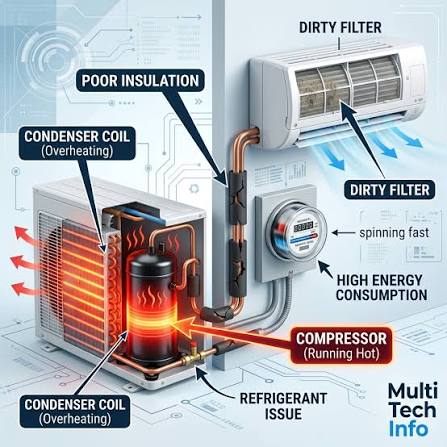
Ready to slash those ballooning utility costs? Grab a few basic household items like white vinegar, dish soap, an old nylon toothbrush, and a screwdriver. Follow this simple proccess to restore total flow to your home’s hardest-working hardware.
Step 1: Establish Total Electrical Safety
Before cleaning, adjusting, or handling any component on an appliance, you must eliminate the risk of electrical shock. Turn the unit off completely and unplug it from its wall outlet. If the plug is hidden behind a heavy built-in cabinet, head over to your main electrical panel and flip the appropriate circuit breaker to the “Off” position.
Step 2: Restore the Dishwasher Mesh Assembly
Open your dishwasher and pull out the bottom dish rack completely. At the very bottom of the stainless steel or plastic tub, you will find a circular plastic cylinder assembly. Twist this assembly counterclockwise and lift it straight up. Most modern units feature a multi-stage filter consisting of a fine mesh cylinder and a flat metal or plastic screen plate beneath it.
Take these pieces over to your kitchen sink. If your look closely, you will see a transparent, waxy film of grease and hard-water scale blinding the tiny holes. Spray the mesh with warm water and use dish soap along with your old toothbrush to scrub both the inside and outside gently. Avoid using wire brushes, as they can tear the delicate fabric mesh. Reassemble the plates and twist the cylinder back into position securely until it clicks.
Step 3: Dissolve the Invisible Film on Your Dryer Screen
Everyone knows you are supposed to clean the lint off your dryer screen after every load. But here is the real tech secret: if you use fabric softeners or dryer sheets, they deposit an invisible, clear chemical coating over the screen pores that a simple swipe of your hand won’t remove.
Pull the lint screen out. Run it under your kitchen faucet. If the water pools on top of the mesh like a bucket instead of passing straight through, your screen is blind. This invisible blockage forces your dryer’s internal components to struggle heavily. Soak the screen in hot, soapy water for ten minutes, then use a brush to scrub away the transparent chemical residue. Rinse it thoroughly, let it dry completely, and slide it back in.
Step 4: De-Grease the Range Hood Ventilation Filters
Look underneath your microwave or range hood assembly. You will spot one or two silver aluminum mesh rectangles held in place by small metal spring clips. Pop them loose. These screens are designed to catch grease before it travels up into your home’s ductwork. When they get clogged, the exhaust fan motor works under extreme static pressure, consuming extra power while doing a terrible job of clearing smoke out of your kitchen.
The easiest way to clean these without making a massive mess is to lay them flat in your kitchen sink, cover them in baking soda, squirt a generous amount of grease-cutting dish soap over them, and pour boiling water directly on top. Let them soak for 15 minutes as the grease dissolves, give them a quick rinse, and pop them back into place once dry.
Step 5: Check the Washing Machine Water Inlet Filters
If your washing machine is taking forever to fill up with water, your water inlet filters are likely jammed. Turn off the hot and cold water supply valves behind the machine. Unscrew the threaded water hoses from the back of the washer.
Look inside the plastic threaded entry ports on the machine itself. You will see small, colored plastic mesh cups recessed inside the tubes. Use a pair of needle-nose pliers to gently pull these cups straight out. If your area has hard water, these screens will be packed with brown sediment or white mineral rocks. Clean them out under a faucet with a pin or brush, push them back into the inlet ports, reconnect your hoses tightly, and turn your water valves back on.
Simple Habits for Lifelong Efficiency and Savings
Once you have your filtration systems totally cleared out, adopting simple daily habits will keep your power bill locked down without extra labor.
Never operate your clothes dryer or dishwasher without their respective filters properly installed. Running a machine bare allows raw debris to bypass the collection zones and coat the internal heater elements and blower wheels directly, which creates severe thermal issues that are incredibly costly to repair.
Additionally, if you use a central heating and cooling system alongside your major kitchen hardware, remember to check your main return vent filter every 30 to 90 days. A choked furnace filter drops household airflow drastically, forcing your air handler motor to draw maximum current while destabilizing temperatures across your whole floor plan.
The Verdict: Small Components, Big Consequences
At the end of the day, high utility bills are often just a silent tax on neglected maintenance. Spending twenty minutes checking your filters stops energy waste directly at the source, preserves your hardware’s internal motors, and keeps your monthly cash flow right where it belongs—in your pocket. Whenever your unsure how to access a specific pump, screen, or valve on an older model machine, FixNest.xyz is always right here to act as your go-to resource for practical, budget-saving DIY guidance.
Don’t let dirty components drive up your household costs. Bookmark FixNest.xyz right now so you always have a detailed, step-by-step troubleshooting path ready when it’s time to handle a home tune-up. Want to keep your appliances running like new without having to remember the schedule? Subscribe to our monthly newsletter for dead-simple, highly practical maintenance reminders sent straight to your inbox. If you have run into a stubborn filter or your machine is still throwing a strange error code after a thorough cleaning, leave a comment below—I read through them constantly and am always ready to help you figure it out!