Discover the best way to clean portable air conditioner filters at home. Boost your cooling, save money, and extend your AC’s life easily.
Best Way to Clean Portable Air Conditioner Filters at Home
Look, I get it, appliance maintenance is boring but if your portable AC is currently blowing lukewarm air or rattling like an old pickup truck, you cannot afford to ignore it. Portable air conditioners are absolute lifesavers when the summer heat rolls in, especially for renters or rooms where a window unit won’t fit. But because these compact machines sit right on your floor, they act like giant vacuum cleaners, sucking up every bit of dust, pet hair, and airborne lint in their path.
Here is the real talk: when that internal screen gets choked up with grime, your machine has to work twice as hard to cool your room. That translates directly to an ugly spike in your monthly electricity bill and a compressor that will likely fail years before its time. Calling a technician out just to clean a simple filter is a massive waste of money.
At FixNest.xyz, we are all about helping you keep your cash in your pocket while keeping your gear running perfectly. Finding the best way to clean portable air conditioner filters at home doesn’t require any expensive chemicals or special skills. It is a quick, highly satisfying twenty-minute task that will completely restore your unit’s cooling power. In this guide, we will break down exactly how to handle different types of portable AC filters and walk you through the ultimate technician-approved cleaning proccess.
The Cost of Neglecting Your Portable AC Filter
Many people don’t realize how sensitive portable air conditioners are to restricted airflow. Unlike a central HVAC system that has massive ductwork, a portable unit relies on a relatively small internal fan to pull air across its freezing evaporator coils.
When dust seals off that intake mesh, the temperature of those coils drops too low. This causes the moisture in the air to instantly freeze on the metal, turning your air conditioner into a literal block of ice. Once the coils freeze over, no cold air can get through at all, and water will start pooling all over your hardwood floor or carpet.
By learning the right way to clean your filters, your preventing ice build-up, eliminating nasty musty odors caused by trapped bacteria, and dropping your energy usage significantly.
Identifying Your Filter Type: Washable vs. Replaceable
Before you grab the soap and water, you need to know exactly what kind of filter your portable AC uses. Most modern portable units (like those from DeLonghi, Whynter, Black & Decker, or Honeywell) come equipped with one or two removable frame filters that are designed to last the entire lifetime of the appliance. However, some high-end units also include a secondary specialty filter designed to scrub the air of fine particles.
Portable AC Filter Maintenance Schedule
Filter Type
Material
Can You Wash It?
Maintenance Action
Recommended Frequency
Standard Pre-Filter
Nylon or Plastic Mesh
Yes
Vacuum light dust, wash with warm soapy water for heavy buildup.
Every 2 weeks during heavy summer use.
Activated Carbon Filter
Black Porous Fiber
No
Vacuum very gently on low suction; water will ruin the carbon structure.
Replace every 3 to 6 months.
Silver Ion / HEPA Filter
Specialized Pleated Paper
No
Tap gently to shake off loose dust. Never submerge in water.
Replace every 6 months to 1 year.
Technician’s Warning: If you accidentally wash a carbon or paper HEPA filter, it will immediately disintegrate or lose its ability to capture microscopic particles. Always double-check your owner’s manual if your unit has multiple filter slots to ensure your only washing the main plastic pre-filter frames.
Tools You Need for an Effective Clean
You don’t need a trip to the hardware store for this project. Just gather a few basic items from around the house:
A vacuum cleaner with a soft upholstery brush attachment
A clean sink, bathtub, or a large basin
Mild liquid dish soap (like Dawn)
A clean, dry microfiber towel
An old toothbrush for stubborn corners
Step-by-Step Guide: The Best Way to Clean Portable Air Conditioner Filters at Home
Ready to make your AC run like new? Follow these straightforward steps to clean your filters safely and efficiently.
Step 1: Power Down and Unplug the Unit
Safety is always our starting line here at FixNest.xyz. Never open up or perform maintanence on an appliance while it is plugged into a wall outlet. Turn off the portable AC using the control panel or remote, wait for the fan to stop spinning completely, and then pull the plug out of the wall socket.
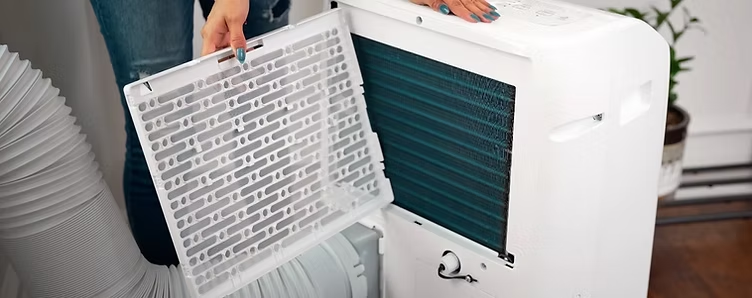
Step 2: Locate and Remove the Filter Frames
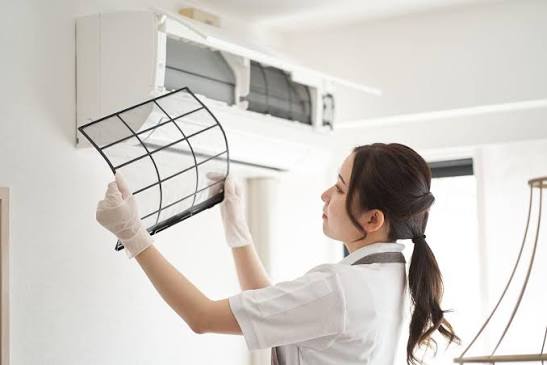
Most portable air conditioners feature two distinct filter locations on the back of the machine. The upper filter protects the evaporator coils (which cool the room air), and the lower filter protects the condenser intake (which cools the hot internal machinery). Look for plastic finger tabs along the edges or back grille of the unit. Gently press or pull these tabs to slide the plastic mesh frames out of their tracks. If your unit utilizes small retention screws, remove them carefully and set them aside.
Step 3: Give it a Dry Vacuum Run
Before you get the filter wet, use your vacuum cleaner equipped with a soft brush attachment to lift away the heavy stuff. Run the brush gently along the dusty side of the screen. If you have pets, you will be amazed at how much fur and lint peels right off in this step. Vacuuming first prevents the dust from turning into a thick, muddy paste once it hits the water, making the washing step ten times easier.
Step 4: Soak and Wash in Warm Soapy Water
If the filter still looks grey or has a sticky film on it from cooking grease or cigarette smoke, a simple vacuuming won’t cut it. Fill your sink or a basin with lukewarm water and add a few drops of mild dish soap. Submerge the plastic mesh filters completely and let them soak for about 10 minutes.
After soaking, gently agitate the filters in the water. If there are stubborn pockets of dust wedged in the corners of the plastic frame, use an old toothbrush to very lightly scrub them clean. Never use harsh chemical bleach or abrasive scrubbing pads, as they can easily tear the delicate nylon mesh.
Step 5: Rinse Thoroughly
Drain the soapy water from your basin and rinse the filters under a faucet running cold or lukewarm water. Run the water through the clean side of the filter so that it pushes any trapped dirt out the way it came in, rather than pushing it deeper into the mesh. Keep rinsing until the water running off the frame is completely crystal clear and free of soap bubbles.
Step 6: Air Dry Completely (The Most Crucial Step)
Shake the filters gently over the sink to remove the bulk of the excess water, then lay them flat on a clean, dry microfiber towel. You must let the filters dry 100% before putting them back into the machine.
Putting a damp or wet filter back into your portable AC is a recipe for disaster. The high-powered fan will pull moisture directly into the electrical components or trap wet dust inside the dark interior of the unit, creating an absolute haven for black mold and mildew growth. Let them air dry in a well-ventilated area for at least 2 to 4 hours. Avoid using a hair dryer or placing them in direct sunlight, as intense heat can warp the plastic frames so they won’t slide back into your AC.
Step 7: Reinstall and Fire It Up
Once the filters are completely bone dry, slide them back into their respective tracks on the rear of the portable AC unit until you hear them click securely into place. Plug the power cord back into the wall outlet, switch the unit back to “Cool” mode, and enjoy the rush of crisp, ice-cold air.
Troubleshooting Common Portable AC Issues Post-Cleaning
If you cleaned your filter but your portable unit is still behaving strangely, check out this quick diagnostic guide to find out what is going wrong.
Portable AC Performance Matrix
Problem
Root Cause
Fix
The AC is still blowing warm air and the filter light is blinking.
The internal filter alert timer needs to be manually cleared.
Many brands (like LG or Honeywell) don’t actually detect if a filter is clean. They run on a basic internal timer. Press and hold the “Filter” or “Reset” button on the control panel for 3 seconds to clear the warning light.
Water is leaking from the bottom of the unit onto the floor.
High indoor humidity has filled the internal condensation tank, or a drain plug is loose.
Portable units pull tons of moisture from the air. Locate the drain plug at the very bottom of the unit, place a shallow pan beneath it, pull the rubber stopper, and drain the accumulated water completely.
There is a strong sour or musty smell when the fan turns on.
Mold has formed on the internal evaporator coils because the unit was run with dirty or wet filters.
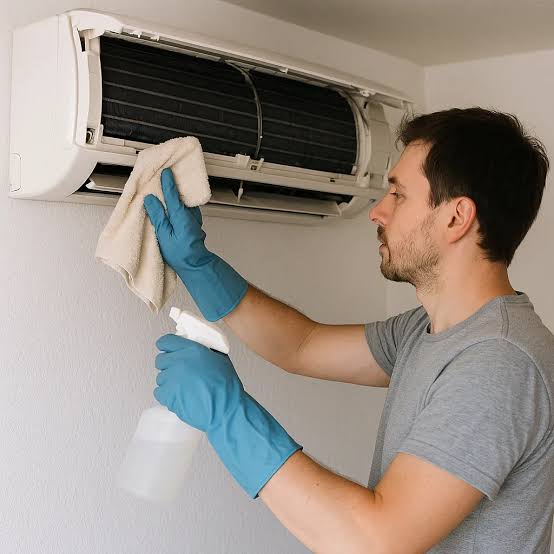
Spray a 50/50 mix of rubbing alcohol and water directly onto the metal coils behind the filter. Let it evaporate completely to kill off the odor-causing bacteria.
The unit turns on but shuts off completely after a few minutes.
The exhaust hose is kinked, too long, or blocked, causing the compressor to overheat.
Make sure your large plastic exhaust hose running to the window is as straight and short as possible. If the hot air can’t escape, the unit will shut down to protect itself.
Keeping Your Portable AC Happy Long-Term
Consistency is the secret sauce when it comes to avoiding costly appliance breakdowns. During the peak summer months when your portable AC is running around the clock, make it a habit to check the filters every two weeks. If you have shedding pets or live near a busy, dusty road, you might even need to clean them once a week.
At the end of the summer season, before you pack your portable AC away into a closet or garage for the winter, always perform a deep filter clean and drain the water tank completely. Storing a damp unit ensures you’ll be greeted by an expensive, moldy mess when you unpack it next summer.
Wrap Up and Next Steps
Taking care of your portable air conditioner doesn’t require a professional HVAC license or a ton of free time. By mastering the best way to clean portable air conditioner filters at home, you ensure your living space stays freezing cold all summer long while keeping your energy bills as low as possible.
Whenever you find yourself scratching your head over a broken appliance or a confusing maintenance routine, remember that FixNest.xyz is your go-to resource for homeowners looking to extend the lifespan of their appliances and save money on repairs. We break down the technical stuff into easy, actionable steps that anyone can follow.
If you love keeping your home running smoothly on a budget, go ahead and subscribe to our newsletter for monthly appliance maintenance reminders so you never miss a seasonal tune-up. Stuck trying to get a stubborn frame out of your specific AC model, or is your unit still refusing to blow cold air after a thorough cleaning? Leave a comment down below and tell us what model your working on—we’ll help you troubleshoot it!