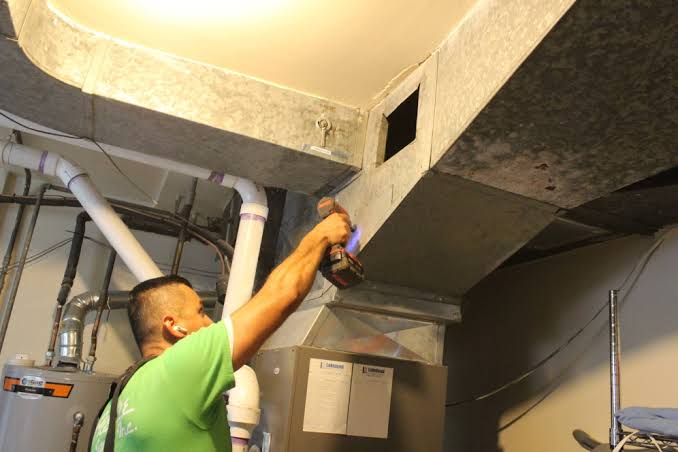
Discover the warning signs your home ventilation system needs professional air duct cleaning. Improve air quality, boost HVAC flow, and save money.
Signs Your Home Ventilation System Needs Professional Air Duct Cleaning
Look, I get it, appliance maintenance is boring but ignoring what is hiding inside your walls can turn into a serious health hazard and a massive drain on your wallet. Out of sight, out of mind is how most of us treat the sheet metal air ducts carrying heated and cooled air throughout our homes. But over months and years of constant use, your heating, ventilation, and air conditioning (HVAC) network can become an absolute dumping ground for airborne contaminants.
Here is the real talk: at FixNest.xyz, we are huge fans of saving you money via smart DIY solutions for everyday kitchen, laundry, and climate systems. However, as an experienced senior technician, I am also here to tell you when a job has grown beyond standard consumer vacuums. True air duct decontamination requires industrial-grade negative pressure trucks and specialized rotary brushes.
If you are wondering whether your system is running clean or secretly circulating decades of debris, you need to look out for specific red flags. This guide will reveal the unmistakable signs your home ventilation system needs professional air duct cleaning, how to tell standard household dust apart from deep systemic issues, and how to safely maintain your system to keep the professionals away as long as possible.
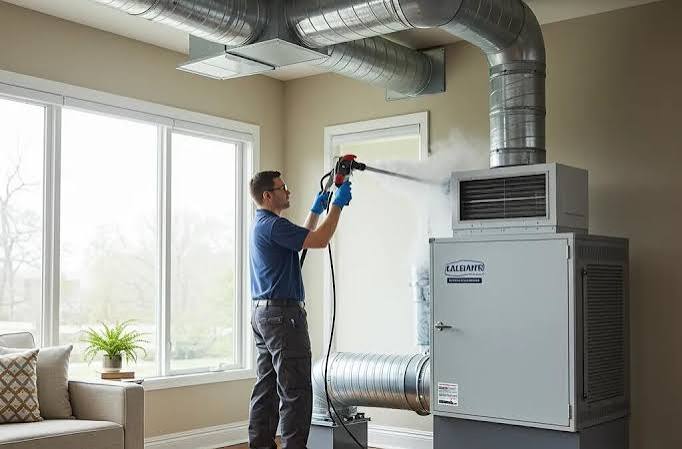
The Cost of Dirty Air Ducts
Your ventilation system is essentially the respiratory tract of your house. It draws air from your rooms through return grilles, conditions it via your furnace or air handler, and pumps it back out through supply registers. When the interior walls of those metal trunks get coated in a thick, velvety layer of dust and organic debris, your entire home system pays the price.
First, your energy efficiency drops significantly. Static pressure increases when airflow encounters friction from dirty, clogged pathways, forcing your blower motor to work harder and consume more power to hit your thermostat targets. Second, the constant recycling of dust, pet hair, and microbial spores can severely impact your indoor air quality, aggravating allergies and causing mysterious dust films to settle on your furniture just hours after cleaning.
Key Signs Your Home Ventilation System Needs Professional Air Duct Cleaning
How do you know it is time to put down the household microfiber cloth and call in a specialist? Look out for these major indicators:
1. Visible Mold Growth on Vent Covers or HVAC Components
If you spot fuzzy green, white, or black patches forming along the slats of your supply registers, your dealing with an active biological issue. Because your air conditioner creates moisture, dust inside dark ducts serves as an ideal food source for mold spores. If mold takes root inside the insulated lining or sheet metal of your trunks, it will release millions of spores into your living spaces every time the system fan kicks on.
2. A Persistent “Poof” of Dust When the Fan Starts
Pay close attention when your system cycles on. If you notice a visible puff or cloud of fine gray debris escaping from the vents into the room, your return ducts are likely heavily overloaded. This means the dust has accumulated past the point of passive settling and is actively being broken free by the velocity of the air supply.
3. Mysterious, Inexplicable Spikes in Utility Bills
If your heating and cooling habits haven’t changed, but your monthly power bills are steadily climbing, your ventilation system is struggling. Choked air passages restrict air volume, extending the running time of your compressor or furnace heat exchanger and accelerating wear and tear on your blower assembly.
4. Infestation by Rodents, Insects, or Pests
Mice, rats, squirrels, and insects love the warmth and security of hidden ductwork. If you hear scratching noises inside the walls or ceilings when the house is quiet, or if you spot droppings near your registers, pests have likely breached your duct seams. A professional crew is required to sanitize the dead biological matter, nesting materials, and pheromones left behind.
5. Uneven Airflow Across Different Rooms
If the vent in your master bedroom is blasting air but the register in your home office feels like a faint whisper, you may have a severe internal blockage. Over time, large clumps of insulation material, ancient construction debris, or massive lint balls can break loose and lodge themselves directly inside individual branch ducts, completely choking off regional airflow.
Evaluating Ventilation System Health: Diagnostic Guide
Before spending hundreds of dollars on a service call, use this helpful troubleshooting table to see if your issue can be fixed with basic filter maintanence or if it requires professional intervention.
Ventilation System Diagnostic Matrix
| Observation | Likely Root Cause | Required Action Plan |
| Thin layer of dry, light gray dust on external vent slats. | Normal household settling; bypassed dust from an old or loose filter. | DIY: Turn off power, unscrew the register cover, wash it with dish soap, and vacuum inside the immediate opening. |
| Damp, black, or dark green sticky spots spreading along the vent or ceiling drywall. | Active mold colony fueled by high indoor humidity or a clogged drain line. | Professional: Immediate inspection needed to locate the moisture leak and sanitize the system. |
| Musty, dirty-sock odor only when the air conditioner runs. | “Dirty Sock Syndrome” caused by bacteria growing on the indoor evaporator coil. | DIY / Professional: Clean the indoor coil with non-rinse foam. If smell persists inside the deep supply trunks, schedule a duct cleaning. |
| Rattling or whistling sound within a specific wall cavity. | Loose sheet metal joints, detached flexible ducting, or a large internal blockage. | Professional: Technicians use borescope cameras to pinpoint disconnected joints or deep structural blockages. |

Why True Duct Cleaning Cannot Be Done as a DIY Project
Look, your standard household shop vac is a powerful tool, but it doesn’t have the mechanical capability to clean an entire residential duct system. If you try to stick a standard utility hose down a vent, you will likely only reach three to four feet inside. Worse, you risk tearing or puncturing flexible ductwork, creating massive hidden leaks that spit your conditioned air directly into your attic or crawlspace.
Professional technicians use a multi-step proccess:
- They seal off every single supply and return register in your house using specialized adhesive covers to create a closed loop.
- They connect a massive, truck-mounted vacuum hose to the main trunk line right next to your furnace, pulling the entire duct network under intense negative pressure.
- They feed long, flexible shafts equipped with high-speed whip brushes or air skippers through individual registers. As the brushes knock dust loose from the metal walls, the negative pressure instantly sucks the debris directly out to the truck collection tank, preventing any dust from escaping into your living rooms.
Step-by-Step DIY Maintenance to Keep Your Air Ducts Clean
While you can’t clean the entire network yourself, you can dramatically lower the speed at which dust accumulates. Follow this simple routine every few months to keep your system clean and running efficiently.
Step 1: Shut Off the HVAC Power
Safety first, always. Go to your thermostat and switch the system to OFF. Then, locate the furnace power switch or trip your main circuit breaker to cut all electrical power to the indoor unit before opening any covers.
Step 2: Wash Your Register Covers
Unscrew your wall, floor, or ceiling supply register grilles. Take them to your kitchen sink or bathtub and scrub them thoroughly with warm water and dish soap to remove any sticky films, dust buildup, or pet fur clinging to the louvers.
Step 3: Vacuum the Immediate Intake Openings
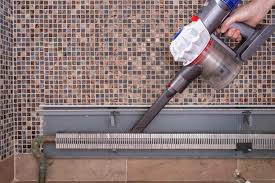
With the register plates removed, take your vacuum hose and reach as far as safely possible into the straight metal runs. Use a soft brush attachment to clear away any loose lint or dust bunnies sitting right at the threshold of the room openings.
Step 4: Secure the Outer Seals
When screwing your clean vent plates back into position, check for gaps between the metal duct boot and your drywall. If you spot a gap, air from inside your dusty wall cavities will bypass the vent and leave ugly black tracks on your ceiling. Seal these gaps using high-quality silicone caulk or specialized HVAC foil tape.
Step 5: Upgrade Your Main Filter and Restart
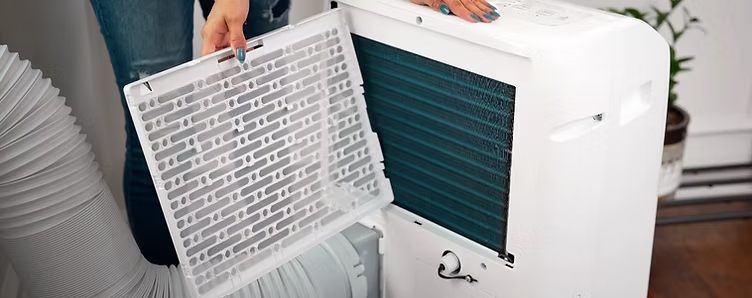
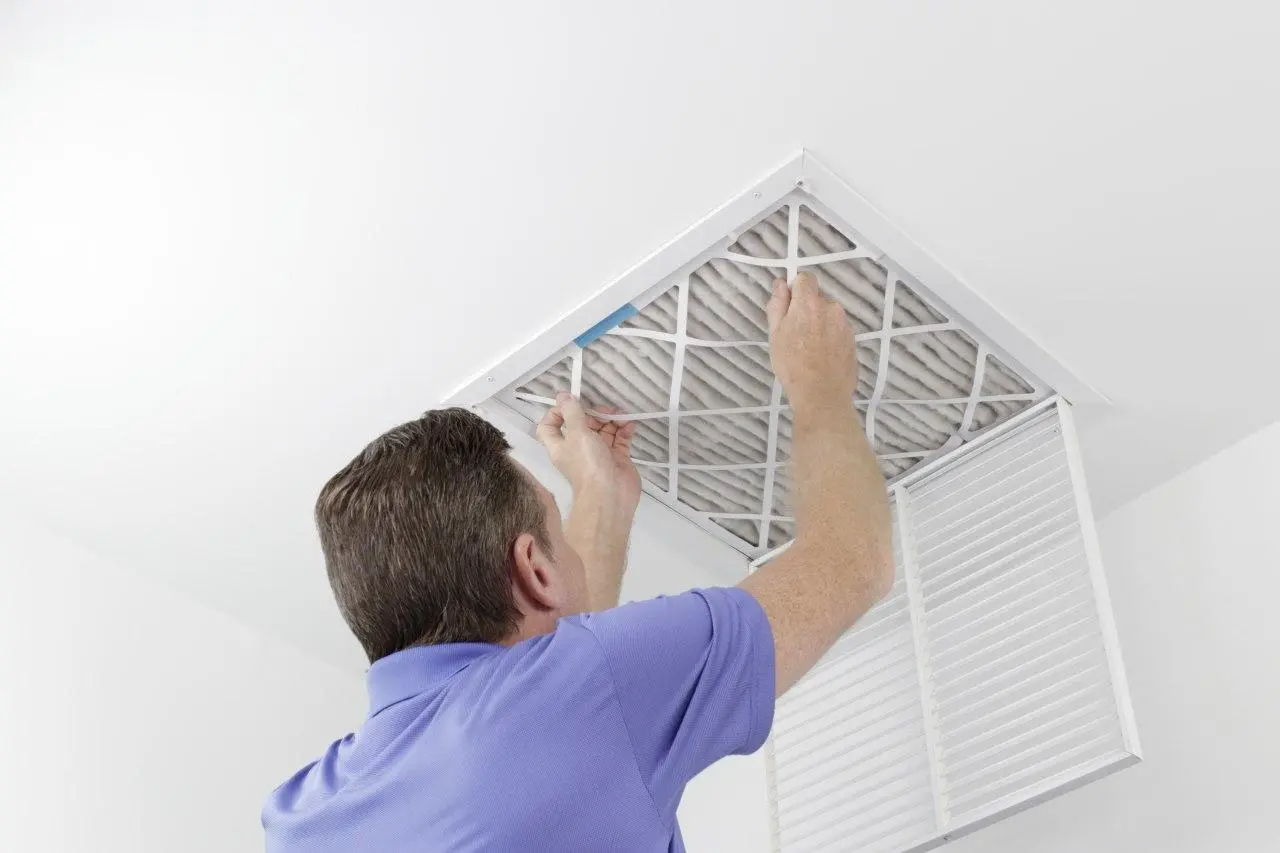
Slide out your old furnace filter and inspect it. If it is gray and clogged, replace it immediately with a fresh, pleated synthetic filter (aim for a MERV 8 rating to get the perfect balance of filtration and airflow). Pop your access doors back on and turn your system power back to ON.
Wrap Up and Next Steps
Your ventilation system is a vital part of your home’s comfort and efficiency. While small dustings are a normal part of life, staying alert for signs like visible mold, mysterious utility spikes, or poor airflow will save you from catastrophic system stress and poor air quality down the road.
When you need straightforward advice on how to handle your home comfort systems, remember that FixNest.xyz is your ultimate resource for homeowners and renters looking to extend the lifespan of their appliances and save money on repairs. We bridge the gap between complex HVAC tech specs and everyday practical solutions.
If you want to keep your household running smoothly without spending a fortune, subscribe to our newsletter for your monthly dose of appliance maintenance reminders, seasonal hacks, and pro tips. Hit a weird snag while checking your registers, or aren’t sure if what you see is dust or mold? Leave a comment down below with your setup details, and we will help you figure out your next move!