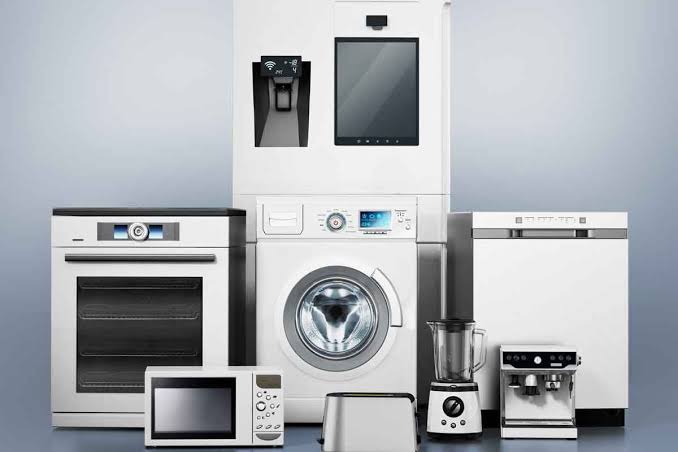
Stop throwing money away! Learn how often should you replace major home appliances on average and master the 50% rule to know when to repair or replace.
How Often Should You Replace Major Home Appliances on Average
Look, I get it, appliance maintenance is boring but watching your savings account take a massive hit because a major appliance suddenly died is a whole lot worse. Here is the real talk: nobody buys a refrigerator or a washing machine thinking about the day it will eventually end up in a landfill. We expect these mechanical workhorses to keep pushing forever. But modern appliances just aren’t built like the heavy iron units your parents bought back in the day. Between advanced digital control boards, eco-friendly water restrictions, and complex sensory networks, modern hardware sacrifices sheer longevity for high-efficiency performance.
When a machine starts acting up, you face a frustrating financial fork in the road: do you patch it up with a DIY repair, call an expensive service tech, or cut your losses and replace the whole thing?
As a senior home appliance technician, I see homeowners make the wrong call every single day. Some toss out a perfectly fine dishwasher that just needed a simple $20 valve, while others sink hundreds of dollars into an old, dying washing machine that is well past its prime. To make the smart choice, you have to know what you are up against. Let’s break down exactly how often should you replace major home appliances on average, how to spot the difference between a minor glitch and a terminal breakdown, and how FixNest.xyz can keep your home running smoothly for less.

The Cold, Hard Data: Average Lifespans by Appliance Type
Before we look at individual machines, let’s look at the baseline. On average, most major household appliances are designed to last between 9 and 15 years. However, that number changes drastically depending on how the appliance operates. Machines that deal with high heat, high pressure, and heavy water exposure wear out significantly faster than units that simply sit there and generate a steady hum.
At FixNest.xyz, we want you to have realistic expectations. If your appliance is approaching the upper limits of its typical lifespan, spending money on a major mechanical repair is often like putting a band-aid on a sinking ship.
Here is the current industry breakdown for how long your major home kitchen and laundry appliances should last under normal conditions.
| Appliance Category | Average Lifespan Range | The Common Failure Point | Sneaky Longevity Killer |
| Refrigerator | 10 – 14 Years | Sealed system failure / Compressor | Dust-choked condenser coils |
| Washing Machine | 8 – 12 Years | Drum bearings / Drain pump | Constant overloading and cheap soap |
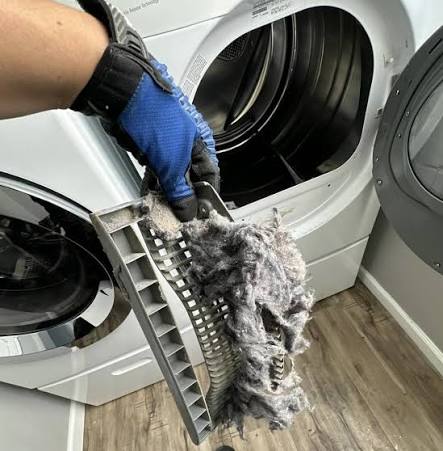
| Clothes Dryer | 11 – 14 Years | Heating element / Thermistor | Lint blockages restricting air flow |
| Dishwasher | 9 – 12 Years | Wash pump motor / Control board | Hard water calcium scale buildup |
| Gas Range & Oven | 13 – 17 Years | Igniters / Safety valves | Spills corroding the burner ports |
| Electric Range & Oven | 12 – 15 Years | Burner switches / Relay board | Power surges damaging internal chips |
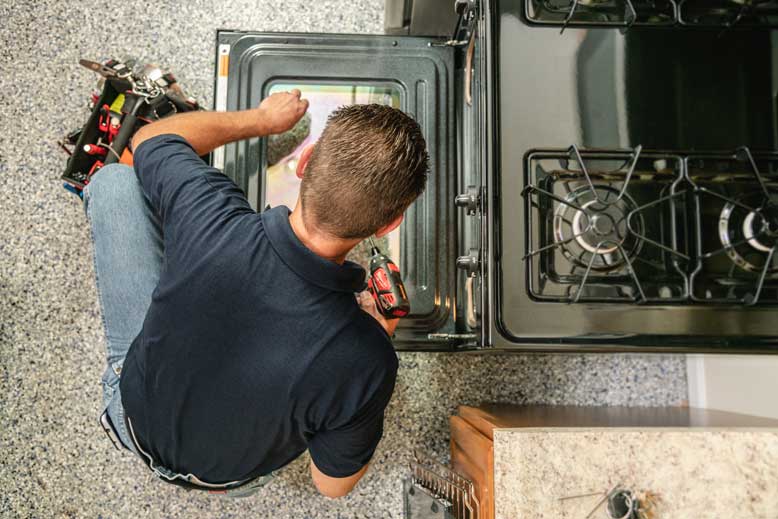
The Per-Appliance Deep Dive: When to Hold ‘Em, When to Fold ‘Em
Every machine has its own distinct personality and failure profile. Understanding how often should you replace major home appliances on average requires looking closer at your specific kitchen or laundry setup.
Refrigerators (Expected Life: 10-14 Years)
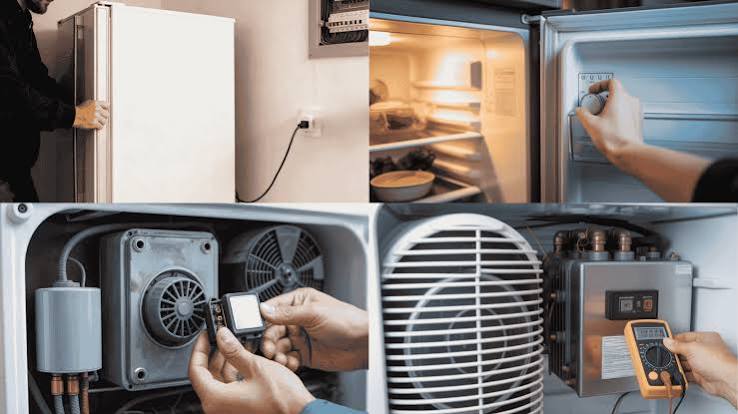
Your fridge is the only machine that runs 24/7. Because its motor never gets an extended break, the compressor takes an absolute beating. If your fridge is under eight years old and stops cooling, it is usually a simple fix like a dead start relay or a bad evaporator fan motor. However, if your ten-year-old fridge develops a leak in its internal copper cooling coils (a sealed-system issue), the repair requires a licensed professional and expensive refrigerant gas. In that scenario, your better off replacing the unit.
Washing Machines (Expected Life: 8-12 Years)
Washing machines are subjected to intense mechanical stress. Front-load washers generally suffer shorter lifespans than traditional top-load models because the heavy water-logged drum spins horizontally, putting incredible stress on the rear main bearings. If your washer sounds like a roaring jet engine during the spin cycle, the main bearings have failed. This repair requires tearing down the entire machine, making a replacement highly likely if the machine is past year seven.
Dishwashers (Expected Life: 9-12 Years)
Dishwashers live a rough life surrounded by boiling water, harsh detergents, and acidic food scraps. The rubber seals and plastic spray arms degrade slowly over time. If your dishwasher isn’t cleaning well or isn’t draining, it’s rarely a reason to buy a new one. Cleaning the mesh filter or replacing a cracked door latch is incredibly cheap. You should only replace a dishwasher if the inner tub cracks and leaks water onto your kitchen floor, or if the main control assembly fries out late in its life cycle.
The Technician’s Golden Rule: The 50% Rule
When you are staring down a broken machine, how do you decide what to do? In the repair industry, we use a very simple calculation called The 50% Rule to help homeowners make an objective, logic-based choice.
The 50% Rule: If an appliance is more than 50% through its expected lifespan, and the total cost of parts and labor for the repair is more than 50% of the price of a brand-new machine, do not fix it. Replace it.
For example, let’s say your 6-year-old dishwasher breaks down. A new one costs $500. The average lifespan is around 10 years, so it is just past the 50% age mark. If a local tech quotes you $280 to swap out the motor assembly, you are hitting both halves of the rule. Save your cash, skip the repair, and invest that money toward a new unit with a fresh factory warranty.
Step-by-Step Guide: How to Evaluate Your Broken Appliance Safely
If you currently have a machine that is acting up, don’t rush out to the appliance store just yet. Follow this diagnostic routine to figure out if you’re dealing with a minor issue or a total mechanical collapse.
Step 1: Find the Date of Manufacture
You cannot know if an appliance is past its prime without knowing its actual age. Open the door of the appliance and look for the silver or white manufacturer data tag. It is usually inside the door frame, on the side of the lid, or behind the bottom kickplate. Locate the serial number. If the label doesn’t print the month and year explicitly, type the brand and serial number into an online appliance age finder to get the precise month it rolled off the assembly line.
Step 2: Cut the Power and Inspect the Basements
Before checking internal parts, unplug the machine from the wall outlet or trip the circuit breaker. Use a flashlight to inspect the bottom area of the unit. Are you looking at a minor puddle from a loose rubber hose clamp (a $5 fix), or is water actively leaking from the center of the motor housing? Physical structural damage or rusted-out frames are terminal signs.
Step 3: Check for Error Codes
If your appliance has a digital display and is flashing a weird sequence of letters and numbers (like F02 or E11), it isn’t broken—it’s talking to you. Look up that exact code on FixNest.xyz. Manufacturers program these codes to help you pinpoint the exact failing sensor. Often, an error code that sounds scary just means a small piece of plastic debris is stuck in your drain line.
Step 4: Run a Manual Component Test
Turn the power back on. Try to run a single, isolated function. For instance, if your washer won’t finish a cycle, try switching it manually to just “Drain and Spin.” If the pump spins up and empties the water immediately, your expensive pump motor is perfectly fine, and you might just have a faulty door lid switch preventing the main cycle from completing.
Step 5: Factor in Energy Efficiency
If your appliance is an older model approaching its 12th birthday, remember that modern units use significantly less electricity and water. Replacing a 15-year-old refrigerator with a new model can drop your monthly power bill instantly, which offsets a portion of the purchase price over time.
Don’t Let Your Appliances Rule Your Wallet
At the end of the day, understanding how often should you replace major home appliances on average helps you manage your home budget without unexpected surprises. Appliances are temporary machines, but with the right DIY knowledge and a proactive maintanence routine, you can easily push them to the absolute maximum edge of their lifespan.
Whenever you find yourself unsure about a weird rattle, a leak, or an error code, remember that FixNest.xyz is your ultimate companion for straightforward, cost-effective troubleshooting tips.
Don’t wait for your kitchen to go entirely silent before taking action. Bookmark FixNest.xyz right now so you always have an expert tech guide in your back pocket. Want to stay on top of your household chores and prevent early machine failure? Subscribe to our monthly newsletter for dead-simple maintenance reminders sent directly to your inbox. If you are currently trying to decide whether to fix or scrap a broken appliance in your home, leave a comment below with the model name and symptoms—I read them all and will give you my honest professional take!