Are your appliances driving up your power bill? Discover simple ways to lower electricity bill with appliance maintenance tips that save cash.
Simple Ways to Lower Electricity Bill with Appliance Maintenance Tips
Look, I get it, appliance maintenance is boring but watching your hard-earned money vanish into a massive power bill every month is a whole lot worse. Here is the real talk: most people think that saving energy means turning off a few lights or sweating it out in the summer without the AC. While those habits help a little, they completely miss the real energy hogs in your home. Your heavy-hitting major appliances—the refrigerator, the dryer, the dishwasher, and the water heater—are quietly draining your wallet if they aren’t working efficiently.
When an appliance is neglected, it has to work twice as hard to do its basic job. A fridge with dirty coils runs non-stop, a dryer with a clogged vent takes two hours to dry a single load of towels, and an unmaintained water heater fights through inches of hard scale just to heat up your morning shower. That extra effort shows up directly on your monthly utility statement.
As a senior technician, I spend half my day fixing appliances that broke down simply because they over-exerted themselves. The good news? You can reverse this strain right now. Let’s look at some highly effective, simple ways to lower electricity bill with appliance maintenance tips that anyone can pull off over a weekend.

Why Inefficient Appliances Are Bleeding Your Wallet
When your appliances are fresh out of the box, they operate at peak mechanical efficiency. Over time, friction, dust buildup, and mineral scale slowly degrade that performance. Your appliances don’t just suddenly stop working when they get dirty; instead, they draw more and more electrical current to push through the resistance.
For example, a refrigerator compressor that should normally run for 20 minutes out of every hour might start running for 45 minutes because it cannot dump its heat efficiently. You won’t notice the difference when you open the door to grab a soda—the interior is still cold—but your power meter outside is spinning like crazy.
By executing a few basic maintenance checkups, you can restore that original mechanical efficiency, protect the delicate internal motors, and see a noticeable drop in your household energy consumption. FixNest.xyz was built precisely for this: to show you that a little bit of DIY care goes a very long way in keeping your utility bills under control.
The Energy-Drain Breakdown: Where Your Money Is Going
Not all appliances consume power equally. If you want to maximize your savings, you need to target the biggest energy consumers first. Use this baseline efficiency matrix to understand which appliances need your attention immediately and how simple maintenance alters their power draw.
| Appliance | Average % of Home Energy | The Hidden Energy Drainer | Maintenance Solution | Potential Energy Savings |
| Refrigerator | 13% – 15% | Caked dust on condenser coils; degraded door seals | Vacuum coils every 6 months; replace brittle gaskets | 10% to 25% of fridge power |
| Clothes Dryer | 5% – 7% | Lint buildup in internal ducts and exhaust vents | Clear vent pipe completely; clean the lint trap screen | 15% to 30% reduction in cycle time |
| Dishwasher | 2% – 4% | Clogged spray arms; dirty mesh filters | Clean out filters; clear spray nozzles with a pin | 10% less water-heating run time |
| Electric Water Heater | 18% – 20% | Calcium scale buildup at the bottom of the tank | Flush the tank annually to remove sediment | 10% to 15% improvement in thermal transfer |
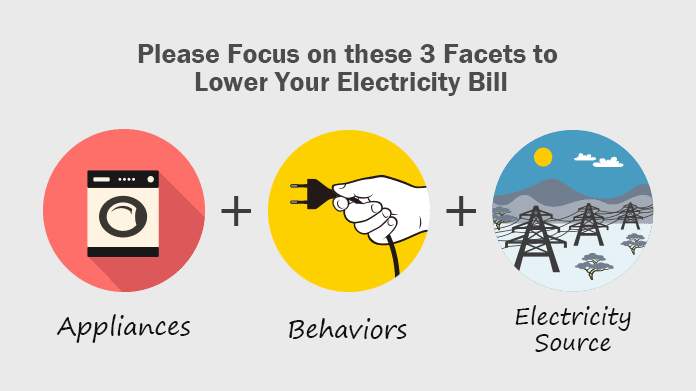
Step-by-Step Maintenance Guide to Slash Your Power Bill
Ready to take control of your utility bills? Grab a few basic tools like a screwdriver, a vacuum cleaner, and an old toothbrush. Follow these step-by-step proccess instructions to tune up your home’s heaviest energy hogs safely.
Step 1: Deep Clean Your Refrigerator Coils
Your refrigerator is the only major appliance that never takes a day off. To keep things cold inside, it has to shed heat on the outside through a grid of condenser coils, usually located at the very bottom behind a grill or on the back of the unit.
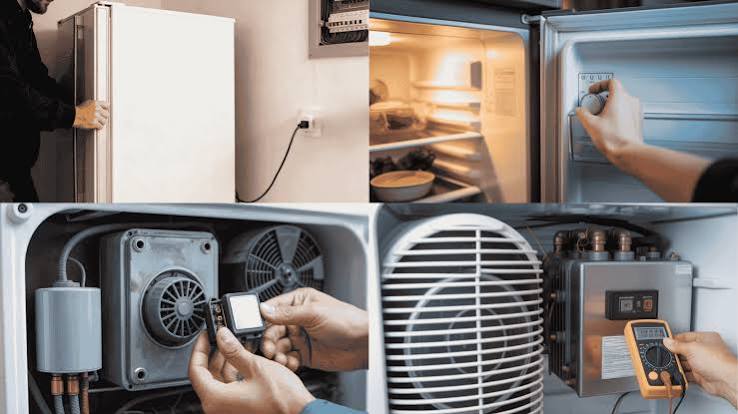
First, pull the fridge away from the wall and unplug it from the power outlet. Safety always comes first when you’re working on home hardware. Take off the lower access panel or front snap-on grate. Use a vacuum with a long crevice tool or a specialized flexible coil brush to remove the layers of dust, pet dander, and lint that coat the metal loops. When these coils are clean, the compressor can dump heat instantly, allowing it to cycle off much quicker and save a massive chunk of electricity.
Step 2: Clear Out the Dryer Exhaust System
An overworked dryer isn’t just an energy hog; it’s one of the leading causes of residential house fires. If your clothes are still damp at the end of a standard 45-minute cycle, your exhaust line is restricted.
Unplug the dryer (and turn off the gas valve if you have a gas model). Slide the machine forward and disconnect the flexible duct pipe from the back of the dryer and the wall. Use a flexible dryer vent cleaning brush—these can attach to a standard cordless drill—to snake through the pipe and push out the packed walls of lint. While your back there, wash your removable lint screen with warm soapy water and an old toothbrush. Fabric softener leaves an invisible, transparent film over the mesh that blocks airflow, forcing the heating element to stay on longer than necessary.
Step 3: Flush the Electric Water Heater Sediment
If you have an electric water heater, it relies on submerged heating elements to keep your water hot. Over time, hard water minerals precipitate out of the water and settle to the bottom of the tank, burying the lower heating element under a thick blanket of calcium scale.
Turn off the dedicated circuit breaker for the water heater at your main electrical panel. Never skip this step, as running an electric water heater without water inside will burn out the elements in seconds. Turn off the cold water supply valve at the top of the tank. Connect a standard garden hose to the drain valve at the bottom of the heater and run the other end to a floor drain or outside. Open a hot water faucet upstairs to break the vacuum, then open the drain valve. Let the tank drain completely to flush out the white, chalky sediment. Once empty, close the drain valve, turn the water supply back on, let the tank fill completely until water runs smoothly from your upstairs faucet, and only then flip the circuit breaker back on.
Step 4: Clear the Dishwasher Spray Arms and Filters
Your dishwasher uses a built-in internal heater to boost water temperatures up to 140 degrees Fahrenheit. If the water cannot circulate properly due to food debris blocking the pathways, the machine has to extend its cycle length to get your plates clean, burning through extra power and water.
Twist out the mesh filter located at the bottom of the tub under the lower rack. Rinse it thoroughly under the sink to remove greasy film and trapped food scraps. Next, pop off the plastic spray arms. Shake them to see if any small seeds or bone fragments are trapped inside. Use a toothpick or a safety pin to clean out every tiny water jet hole.
Simple Daily Habits for Maximum Appliance Efficiency
Once you have your appliances running at peak mechanical condition, maintaining simple operational habits will keep your power bill low without any extra maintenance work.
First, check your refrigerator temperature settings. A lot of people keep their fresh food compartment cranked down to 33 degrees Fahrenheit, which is unnecessarily cold and risks freezing your vegetables. Set your fresh food compartment to 37 degrees and your freezer to 0 degrees. This keeps your food perfectly safe while preventing the compressor from running overtime.
When it comes to laundry, wash your clothes in cold water whenever possible. Roughly 75% to 90% of the total electricity your washing machine uses goes solely toward heating the water up. Modern detergents are specially formulated to break down stains and dirt in cold water, meaning your clothes will still come out immaculate while saving you a bundle on your energy bills.
The Verdict: Don’t Pay for Neglect
At the end of the day, a high power bill is often just an efficiency tax on unmaintained hardware. Spending an hour or two checking your gaskets, vacuuming dust, and clearing lint lines stops energy waste at the source. Whenever you need a refresher on how to handle these quick fixes, FixNest.xyz is your go-to resource for practical, budget-friendly maintenance advice.
Don’t let inefficient appliances dictate your monthly budget. Bookmark FixNest.xyz right now so you always have a step-by-step DIY guide within arm’s reach when it’s time to tune up your household. If you want to stay ahead of your chores, subscribe to our monthly newsletter for straightforward maintenance checklists sent straight to your inbox. Hit a roadblock or noticed a strange issue while cleaning out your machine? Leave a comment below—I read through them constantly and would love to help you save some cash!